

On a cold, clear night in April 1775, one man and his horse changed the course of history. And, quite by chance, created the template for 21st century crisis communications.
Paul Revere’s heroics on that historic night remain a huge source of Bostonian pride. It’s one of my favourite cities, and no trip is complete without an outing to Fenway Park, the Cheers bar and Revere’s old house on the Freedom Trail.
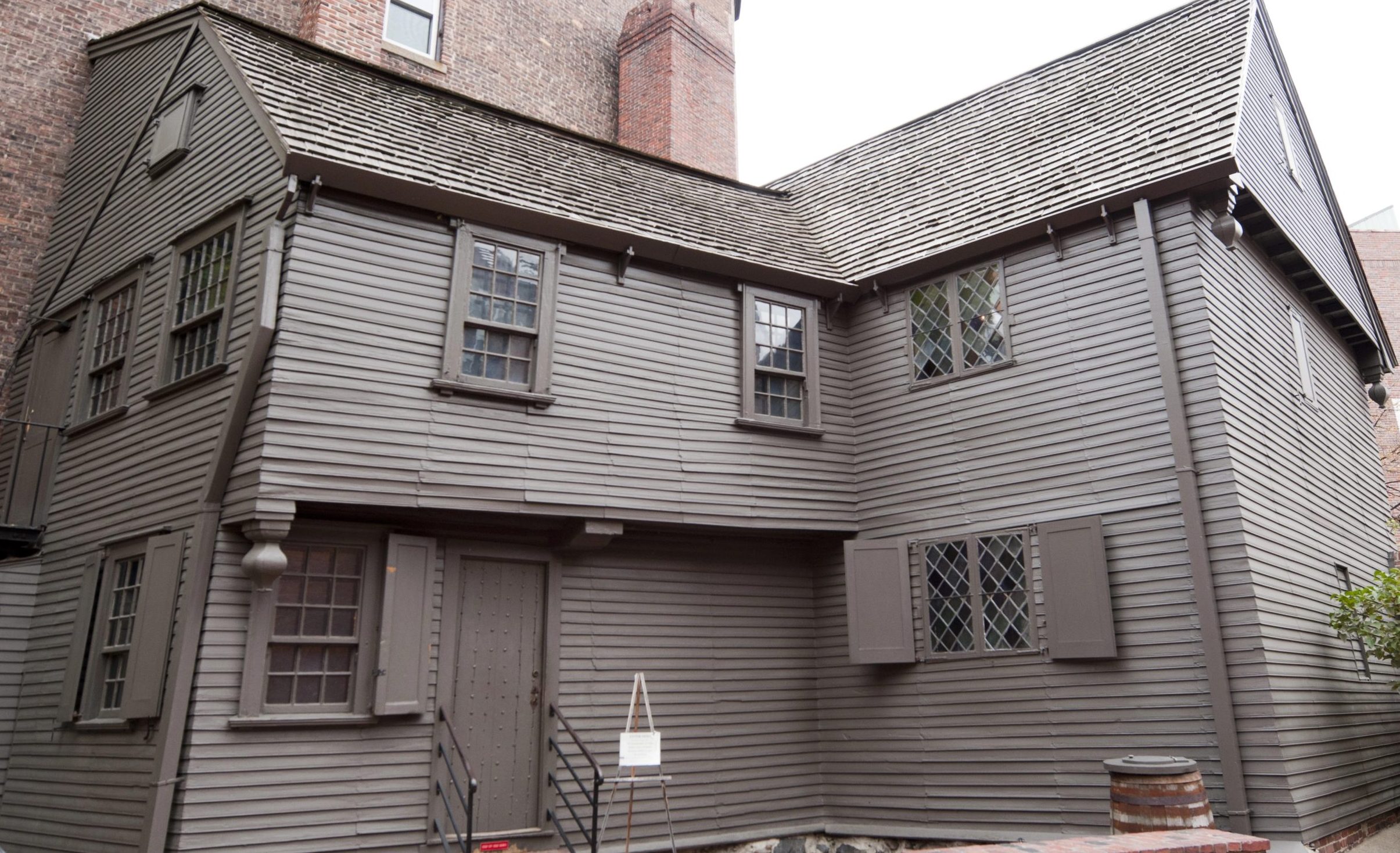
Paul Revere’s Crisis Communications Legacy
This moment in American folklore foretold the birth of a great nation.
But a lesser-known part of the story is the crisis comms strategy that guided them.
Before mobile phones, before mass-circulation newspapers, before press releases, people spread the message by hollering the news on horseback.
One well-known poem immortalised his clarion call:
“So through the night rode Paul Revere;
And so through the night went his cry of alarm
To every Middlesex village and farm,
A cry of defiance and not of fear,
A voice in the darkness, a knock at the door,
And a word that shall echo forevermore!”Henry Wadsworth Longfellow, “Paul Revere’s Ride”, 1861
How to Ride Out a Crisis
From a very early age, I had my nose in a history book. My favourite teacher was a man named John Hancock (yes, really!), who brought the subject to life through fascinating stories of power, sex and intrigue. From stubborn Charles I to bold Gustavus Adolphus and brutal but brilliant Peter the Great, I used to race up those stairs for his lessons, less so for double maths.
A previous post covered the history of the press release, which started with a 1906 train crash in Pennsylvania and a PR man named Ivy Lee.
This is another trip down memory lane, exploring the earliest forms of crisis communication and how the five pioneering techniques the Revolutionaries deployed in 1775 still apply today.
Our world is faster, more complex, and interconnected, yet even in the age of social media and AI, those fundamental rules remain remarkably unchanged.
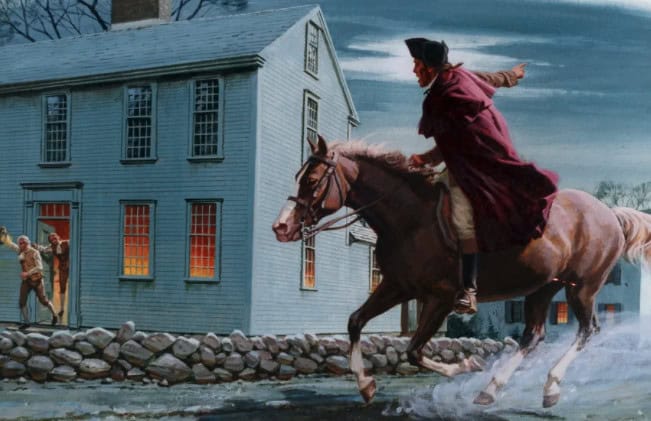
Paul Revere’s Crisis Communications Legacy: The 5 Rules
1. Trusted Communicator
Paul Revere was an express rider for Boston’s revolutionary organising committee, tracking and countering British military moves.
Effective resistance requires reliable communication, and the 40-year-old silversmith played a vital role in spreading the message widely.
Word about British policies and troop movements needed to travel quickly and securely. Handwritten notes, postal letters, or printed materials were easily intercepted, but messages carried by couriers were much less likely to get into the wrong hands. A tight unit of message carriers ensured communication flowed quickly and reached the right people.
In many ways, men on horseback like Paul Revere were the crisis communicators of their time.

2. Having a Clear Crisis Plan
The Patriots’ success that fateful night wasn’t down to luck, but to a well-executed strategy.
Any good crisis comms person will tell you a plan helps you navigate a crisis, and theirs was a decade in the making.
They did not wait for the crisis to come to them. They planned for it and, for over ten years, they tracked the British troops’ every move.
The sophisticated underground network had established lines of command, rapid-response mechanisms, a resilient communications distribution network, and frontline messaging.
We all know his famous cry, “The British are coming”, or, more likely: “The Regulars are coming”. A clear call to action in just four words. Simple, brief and effective, like all the best slogans.
Add it all together, and they had the perfect plan in place to hit the ground running.
3. Tactical Communications
Even back then, visuals mattered.
The first mover was a highly visible prearranged signal.
Two lanterns hanging in an old church steeple warned Revere and his two fellow riders that the Redcoats were crossing the Charles River by sea.
One lantern indicated the British were marching out of Boston by land. Two meant they were crossing by sea.

Using visual signals as a military tactic was nothing new.
A visual signalling method on a much larger canvas was devised centuries earlier. In a recent Dan Snow documentary, I discovered that the Great Wall of China, built over eight centuries ago, was essentially a border fence to defend the early Ming dynasty against the Mongols.
One of the most extraordinary (and brutal) human feats ever, at an unimaginable scale, the Wall was the ultimate 13,000-mile form of self-defence – and a mass communication tool like no other.
If enemies attacked, soldiers on watch in an intricate system of strategically placed beacon towers would light fires and set off smoke signals, alerting the neighbouring tower and so on.
Think of it as one giant smoke alarm that could cover an incredible 300 miles in just a few hours.
The Chinese weren’t the first either. Medieval armies routinely used visual signals such as flags, standards, and fire beacons to communicate, while the Ancient Greeks used burning arrows.
4. Early Warning System
So, back to the famous lantern signal, which was Revere’s cue to spread the word from Charlestown to Lexington about approaching British troops.
Seeing him gallop into town was an early warning, prompting many to splinter off on horseback and deliver the breaking news to neighbouring towns. A moment of tactical genius: the domino effect allowed thousands of local militia to mobilise far quicker than any one rider could.
Long past midnight, the towns on Revere’s route also raised the alarm with church bells and bonfires to wake people up. An early forerunner of the blaring national emergency phone alerts that give us a jolt every now and then.

5. Targeted Communications
As a highly experienced courier, Revere had a winning strategy: he didn’t bang on random doors; he smartly targeted known ‘connectors’. In other words, Paul Revere had convening power, and key leaders like John Hancock trusted him, so when he approached them, they instantly knew their next move.
History Lesson for Crisis Communicators
When Revere took the reins of a horse he borrowed that night, little did he know that over two centuries later his name would still be remembered, and that his legacy would endure not only for his heroics but also for his communication skills.
Speed, clarity, trusted communicators, a well-planned strategy, and targeted messaging are the staples of any modern crisis communications survival kit. The midnight ride had all five.
The parallels between now and then are clear. Raising the alarm on horseback is today’s press release or press conference that warns of an imminent threat. Crisis situations move at lightning speed, and staying ahead requires an escalation protocol. Those first moments of a crisis matter most, and connecting the right people quickly can make all the difference. Targeting audiences ensures accurate, relevant information reaches those most affected and stops misinformation from spreading.
We may live in very different times, yet the same fundamental rules of engagement that Paul Revere and his men pioneered over 250 years ago still underpin today’s crisis communications landscape. By way of tribute, let’s say ‘cheers’ to that!
Read our expert tips on handling a PR crisis here.

Katherine Porter is a former TV journalist with extensive PR experience. She has worked in senior public sector roles, including as PR manager for the London Olympics and as a Director of Communications in the US. Most recently, she worked in charity sector comms before setting up her own PR agency. She also writes regularly on Substack.


