

Cracker Barrel, the American roadside dining chain, hasn’t had a cracking time of late, after its CEO was forced to resign last week over a rebrand that failed to snap, crackle and pop with a bulk of its customers.
Here, we explore what went wrong and the crisis communications lessons learned from the brand fallout.
Crisis Comms: Cracker Barrel’s Brand Backlash
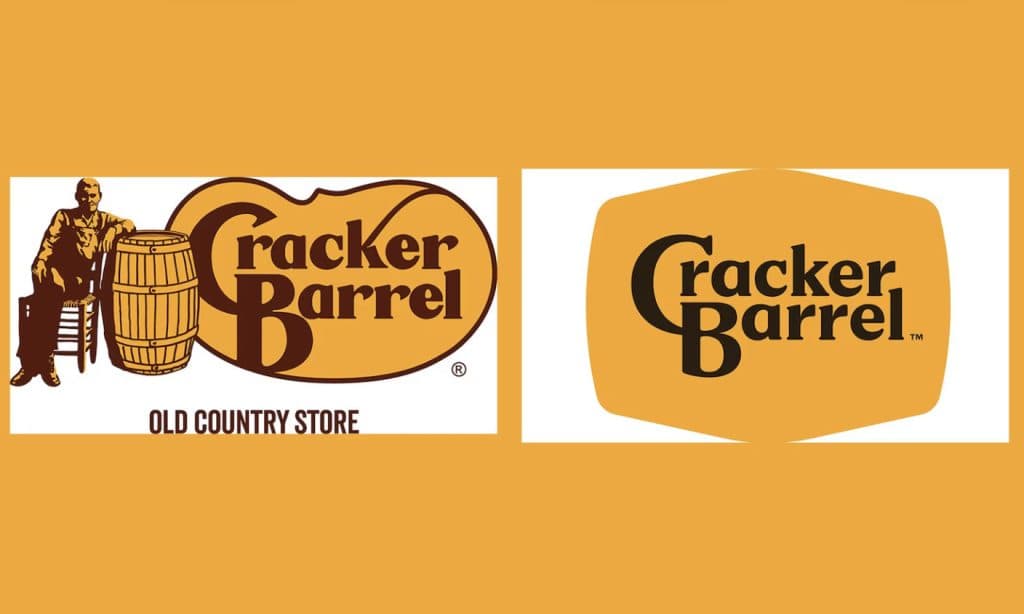
It is not a household name to many Brits. But drive down any stretch of American road for more than ten minutes, and you’re bound to find one. An old-fashioned, yellow, dusty sign off the side of the road welcoming you to a treasure trove of rustic treats. And the inviting words ‘old country store’ sit under the logo.
We lived in the States for a while, and our first-ever business meeting was at a Cracker Barrel off the 1-95. Stepping into one is a journey back in time to the old South. Wicker baskets, wagon wheels, rusty pots and rocking chairs – a true homage to all things Americana.
Even in the 90-degree sauna of Florida heat, it was a cosy delight; the average age was north of sixty, with patrons sipping iced tea, Kenny and Dolly tunes playing in the background as we were introduced to their southern-style buttermilk pancakes. Good, honest fare at a reasonable price for people on the move, as Americans usually are in such a vast expanse of a country.
As we sat there, the hubby and I were struck by the rustic old-school branding and how brilliantly it knew its audience. With a distinct Southern theme, it felt like a random and sudden bout of line dancing wasn’t too far away. Branded merch was very much on display, including racks of logoed keyrings, own-brand T-shirts, and the ultimate must-have: exclusive Dolly albums only available at a Cracker’s near you.
Bottom of the Barrel
So, when it unveiled its new logo with a more modernist bent to the world last year sans “old-timer” Uncle Herschel, the man leaning on a barrel in the original logo, all hell broke loose.
The starting gun on the brand backlash was fired by a big account on X, declaring “Cracker Barrel has fallen”.
Viral takes on the new logo started popping up everywhere on Instagram and TikTok as the anti-woke crowd stepped in to register their deep disapproval of what many loyal customers perceived as ‘the loss of its country charm’, and a new hashtag #whatyoudoing was born.
Comments included: “Give us back the Uncle guy”, “OMG it’s the end of civilisation as we know it”, “soulless and bland” and “shoulda gone with biscuit barrel”. Even the White House poked fun with its own funny spoof logo and the tagline “Go woke, go broke!”
And you know you’ve hit rock bottom when you go all out on a pop-up stunt for your big logo reveal in New York’s Meatpacking District, and precisely nobody turns up. Rows of empty chairs at a product launch/press conference/major speech. Welcome to every PR person’s worst nightmare.

So, What Went Wrong?
It was a $100 million mistake as the share price tanked for a company with over 75,000 employees across more than 44 states. Just a week into its rebrand, the chain ditched its restaurant remodelling plans and, surprise, surprise, also reverted to the old logo.
Whether the brand can come back remains to be seen. Hopefully, it can. On the plus side, it reacted quickly and decisively to negative customer sentiment. It also acknowledged the misstep, apologised to customers, and admitted: “We could have done a better job sharing who we are and who we’ll always be”. This mea culpa really helps limit longer-term reputational damage in a crisis.
The road to recovery is a difficult one. A back-to-basics approach might be a one-way ticket back to ‘relevancy’. With a new CEO now at the helm, his first priority will be a reputational rebuild that flicks the ‘on’ switch again for customers old and new. An all-singing-and-dancing retro brand response that rides the current wave of 70s/80s nostalgia and also taps into the cross-generational, Beyoncé-inspired country music revival might be a good place to start.
Top Tip: Stick to Your Brand’s Core Values
What’s the big comms takeaway from Cracker Barrel’s recent woes?
No matter what, stick to your core values. They will be truly tested in a crisis. In the lightning-fast age of social media, this is when they really count. Just look at our recent post on how KitKat handled a recent fast-moving crisis to see how important it is to set the right tone in a sticky situation.
Always be authentic. Your brand depends on it. People are loyal to brands they can trust. The best brands have an emotional connection with their audience, so be sure your brand identity isn’t compromised by a sudden change in messaging.
A successful rebrand is much more than a fresh lick of paint. It’s built on strong foundations. To stand out, a brand has to go beyond being just a fancy graphic and actually *mean* something tangible.
Any brand reboot has to strike a perfect balance between respecting your past and building for the future. A true and authentic reflection of who you are and who you want to attract.
Every brand is on a journey, constantly evolving, and as well as getting under the skin of the business, the biggest question I always ask my clients is this: Where do you want to be five years from now?
It’s vital to strike the perfect balance between respecting your past and building for the future. Much like politics, it must resonate with your base and play to your brand’s strengths.
And if it’s a brand built on nostalgia, like Cracker Barrel, and that rebrand doesn’t align with your values or ring true with the punters, then don’t expect your customers to come rolling back anytime soon!
You can read our previous post on how to build a successful logo here, and more about recent brand fails here. And a folloW-up post on Cracker Barrel’s changing fortunes here.
Need expert branding help? Contact us here.

Katherine Porter is a former TV journalist with extensive PR experience. She has worked in senior public sector roles, including as PR manager for the London Olympics and as a Director of Communications in the US. Most recently, she worked in charity sector comms before setting up her own PR agency. She also writes regularly on Substack.


