

Cracker Barrel isn’t alone in the whole “going loco for logos” craze.
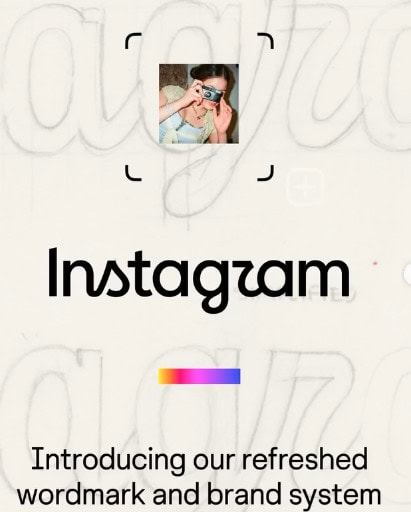
Spotify recently had a spot of bother over its disco-ball logo, and Instagram is also feeling the heat over a new wordmark that didn’t win many heart emojis.
‘Kinda chic’ might have been the hot summer trend on the social platform, but those good vibes didn’t extend to the new modern logo, which was a definite reminder of the reaction to Cracker Barrel’s fall from grace.
“Overpolished” was one user’s comment. “Looks like AI-slop” was another.
Or this: “Ten years of no changes, and they’ve now picked a font from a wedding invite”. Ouch!
Unsurprisingly, everyone from Aldi and McDonald’s to ChatGPT quickly jumped on the brandwagon with their own spoofs and spinoffs of the new logo.
Add to the mix controversies over AI data centres, smart glasses and multi-million lawsuits over child safety, and it’s been a difficult summer for the Meta PR team.
Meanwhile, it looks like that new ‘r’ is going to take some getting used to…
Spotify in the Spotlight
A big backlash hit another brand earlier this summer when it revealed this to the world…
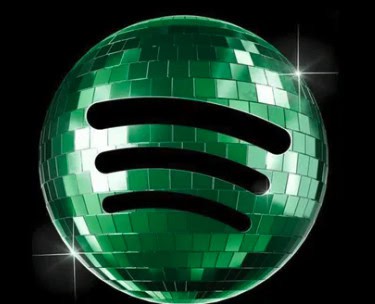
It wasn’t an instant classic.
You know you’ve hit the big time/big trouble when, somewhere in the flood of memes, spin-offs and redesigns, the internet goes into hyperdrive and invents a whole new term. Suddenly, the word ‘discomorphism’ (a viral disco ball design-inspired trend) was everywhere, and it’s probably already one of the words of the year.
It didn’t take long for Spotify to rectify the mistake and lay the new logo to rest…
Not So Cracking
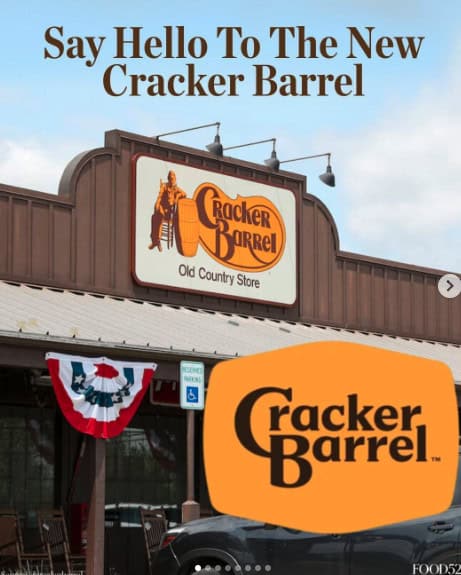
The one that nearly broke the internet was when Cracker Barrel found out, to its cost, that its old logo was actually quite popular and any makeover needed very careful handling.
Its share price tumbled as the new, modern logo met with general dismay. From Arizona to Zephyrhills, the message was universal: bring back the Uncle guy from the original logo!
President Trump hated it; the White House poked fun with its own amusing tagline, “Go woke, go broke!” and, in a remarkably rare outbreak of cross-party unity, even the Democrats agreed that it “sucked”.
And so, within a week of launching, prayers were answered as they waved goodbye to ‘the New Cracker Barrel’ and reverted back to good old Uncle Herschel.
It turns out old things are sometimes worth keeping! A bit of a life lesson in there…
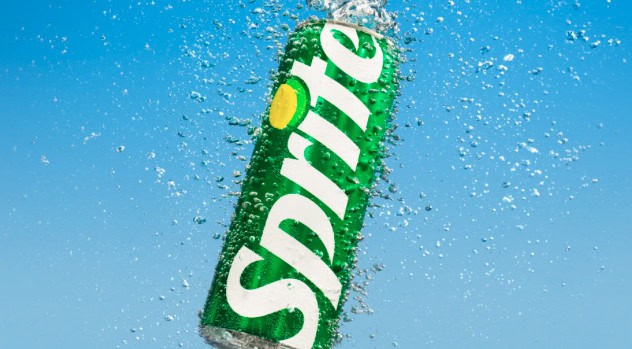
Sprite’s new logo is a good example. A refreshing yet nostalgic take on an old favourite, with the ‘Lymon’ symbol returning to its visual identity. Very cool 80s vibes with a modern twist.
The Logo Connector
Here’s a killer fact every business owner should know in 2026: A staggering 75% of customers recognise brands by their logo.
And here’s another: Companies with strong visual brands grow revenues and shareholder returns at nearly twice the rate of their industry peers.
People generally don’t remember or connect with the words in a mission statement. They primarily identify with visuals. The brain, in all its wonderful complexity, responds to visuals faster than words.
That’s why McDonald’s still sells the most burgers.
It’s not because they have the best or tastiest burgers; check out this recent clip that’s gone viral, showing their CEO awkwardly struggling to eat one!
It’s because they’re the king of brands, and those iconic golden arches are a powerful visual symbol that resonates with millions, regardless of age, gender, or race. Wherever you are in the world, you know what you get whenever you walk into one of their restaurants.
Top Tips for Cracking the Code
Execution that matches delivery.
Give both your full consideration. Don’t fall into the trap of thinking all the hard work is done once the design phase is over. It’s not.
Plan the launch. Careful handling and clear, confident communication that tells and sells the rebrand story to customers, stakeholders and employees is vital.
No matter what, stick to your core values.
Your tone of voice should match your personality, and be sure your core values are front and centre of your campaign.
Take the time to truly understand your business – what works, what doesn’t.
Who is your customer? Get to know them and their buyer personas. What gets them out of bed, and what keeps them up at night? Be specific and pare their dreams and fears down to a single focus.
Make your brand story simple, relatable and compelling. Organisations that know who they are and what they stand for are the most successful. It goes beyond the ‘values’ section on the website, embedding your ethos in every aspect of the business.
Every brand is on a journey and evolving constantly. The key question I always ask my clients is this: Where do you want to be five years from now?
Any brand reboot must strike a perfect balance between respecting your past, connecting with the present, and building for the future.
The Deep Dive
Instagram, Spotify, and Cracker Barrel showed us in real time the live connection between a brand and its audience. And how logos play a major part in that relationship.
A successful rebrand goes far beyond a fresh lick of paint. It’s not about flashing the cash on whizzy new graphics or experimental fonts and then going back to business as usual.
A rebrand is a rare opportunity to take an organisation-wide deep dive, bring it all together, and make sure the way you look, sound, and behave is in harmony.
Go deep, bring everyone together (from junior to board level), and build your strategy from the ground up. Everyone should feel invested in its success. Great brands are like glue.
They drive team cohesion and strengthen a company’s core values and mission, attracting great new hires and retaining key talent. Top performers tend to stay longer in roles with a strong core, mission, and focus.
Lay the foundations and get under the skin of your business. Done right, a new logo will help you stand out from the crowd because you’ve invested time, energy and skill in getting to really know your business.
Whether it’s a new logo, a rebrand or a new website, we can take your brand to the next level.
You can read our previous post, which covers the Cracker Barrel story in more depth here, and Spotify’s top of the flops here.

Katherine Porter is a former TV journalist with extensive PR experience. She has worked in senior public sector roles, including as PR manager for the London Olympics and as a Director of Communications in the US. Most recently, she worked in charity sector comms before setting up her own PR agency. She also writes regularly on Substack.


